Ingredients
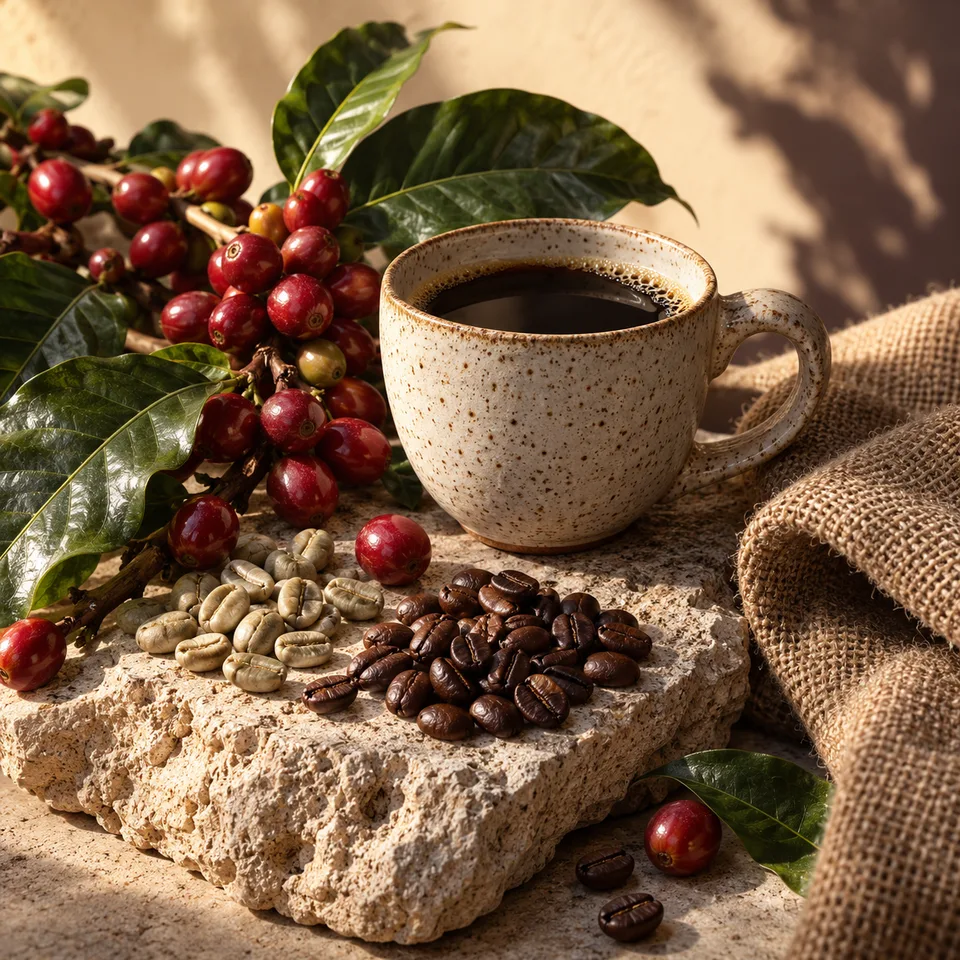
What a cup of coffee costs before you buy it
Follow a cup backward and the price becomes a chain of costs, risks and bargaining power. Paying more at the counter does not tell us who gains.
8 min readThe Supper Standard follows ingredients, agriculture and the systems behind the kitchen. We examine costs, resource use, labor and food culture without reducing a complicated chain to a label or a moral shortcut. Food is an everyday subject with unusually far-reaching consequences.
Follow a cup backward and the price becomes a chain of costs, risks and bargaining power. Paying more at the counter does not tell us who gains.
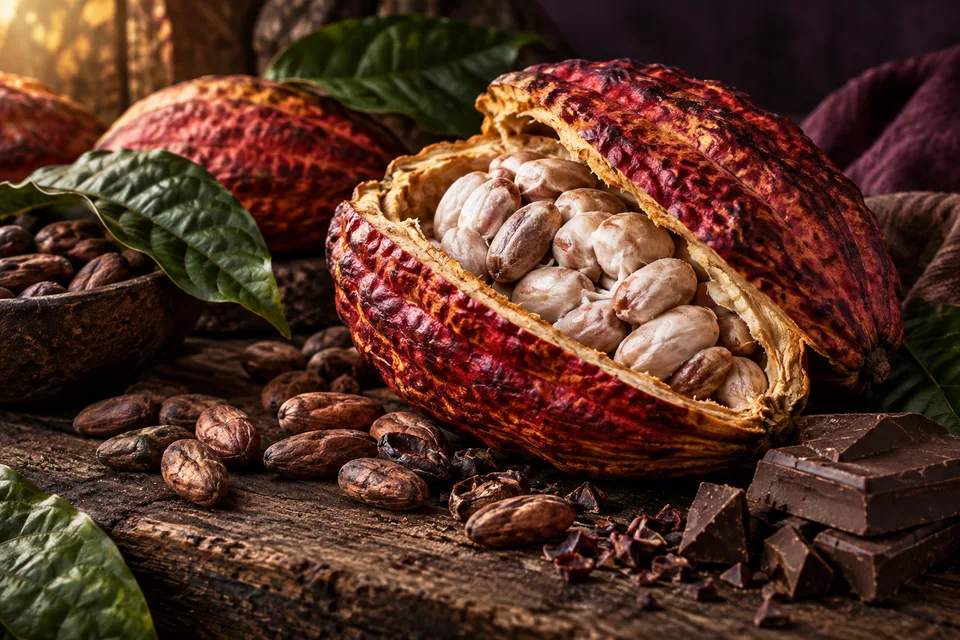
8 min readA cocoa-price shock travels through a crop, a marketing system and a factory before it reaches a chocolate bar. The same movement can mean relief at the supermarket and another uncertainty on the farm.
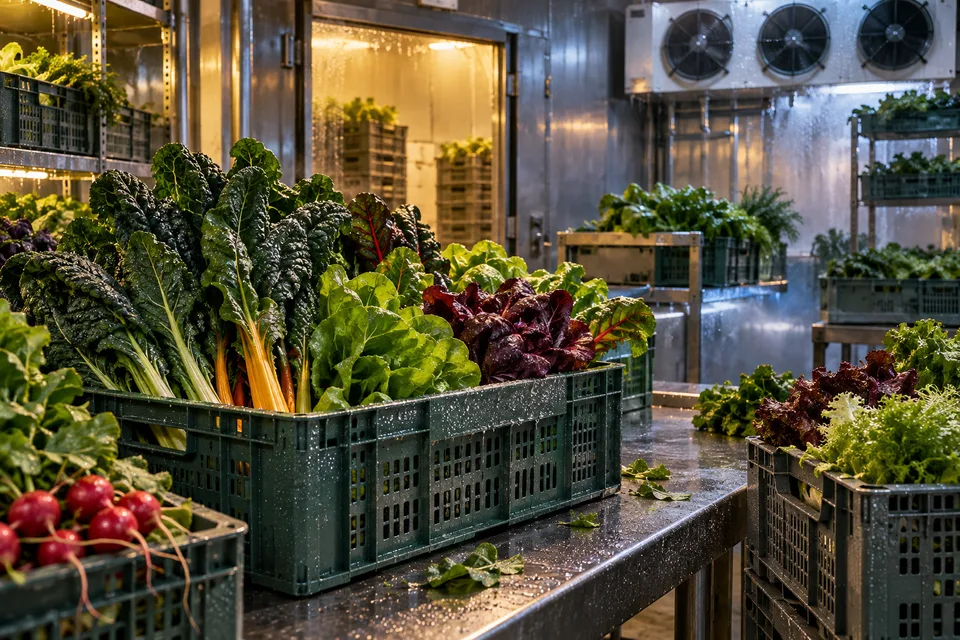
9 min readCold storage can preserve a harvest and create new market options. Its value depends on the journey around it: handling, transport, reliable energy, repairs and a buyer for the food it keeps.
9 min readPeelings, untouched food and leftovers tell different stories. Before a household is praised or blamed for a waste total, ask what was counted and what decision the number can actually improve.
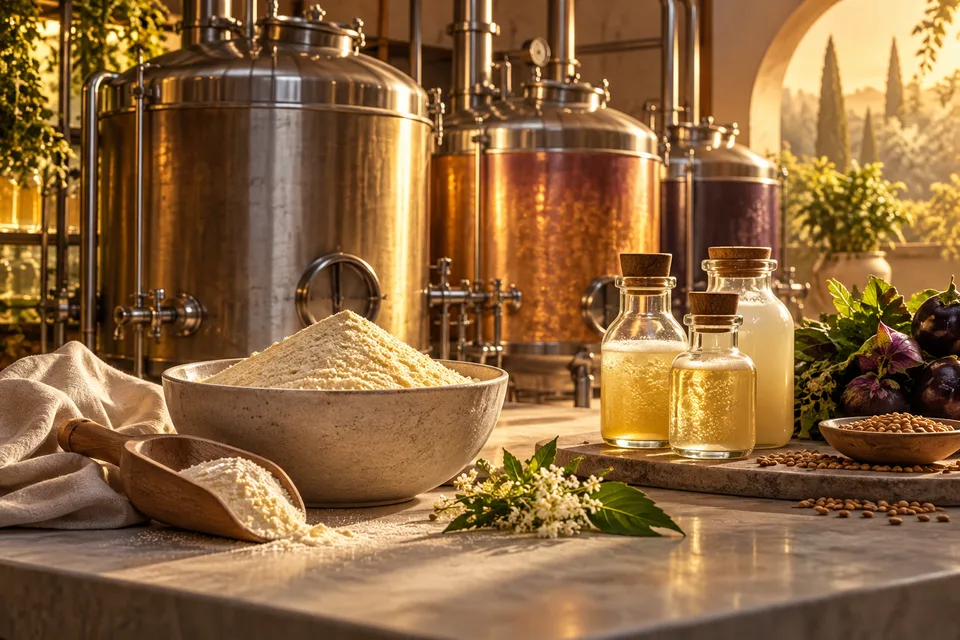
9 min readThe new ingredient leaves a fermenter, but its economics and usefulness are decided across a much longer route. Follow a food protein from microbial production to a customer's recipe and the stainless-steel tank becomes one piece of the story.
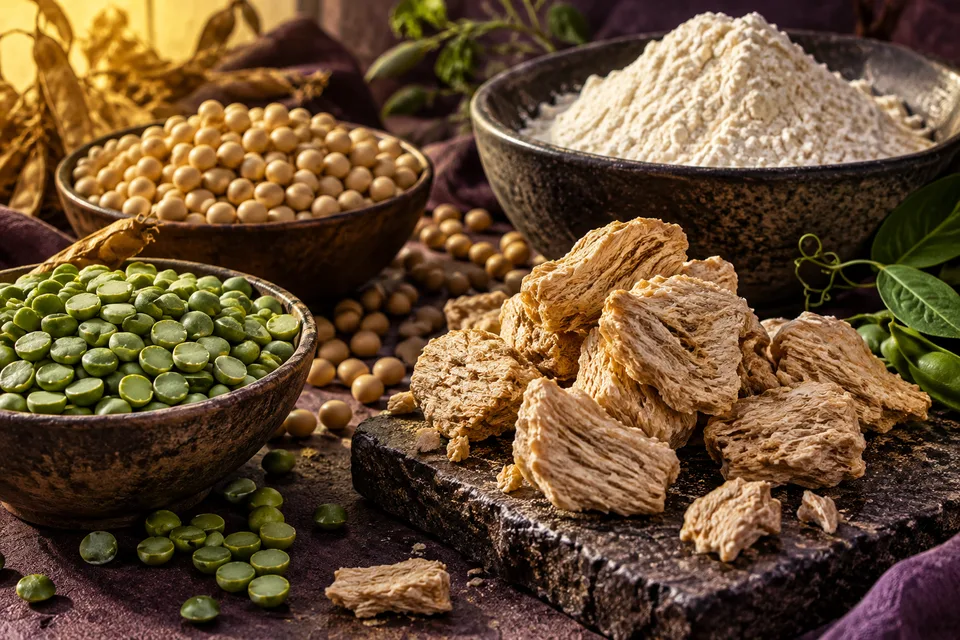
9 min readProtein content tells only part of the story of a patty, foam or sauce. Water, fat, structure and the way a mouth breaks the food apart help explain why two plant-based products can share a label and eat very differently.
9 min readA harvest above the skyline can be valuable without promising urban self-sufficiency. The stronger case for city growing starts with land, follows the food to its recipients, and leaves room for benefits a yield total cannot capture.
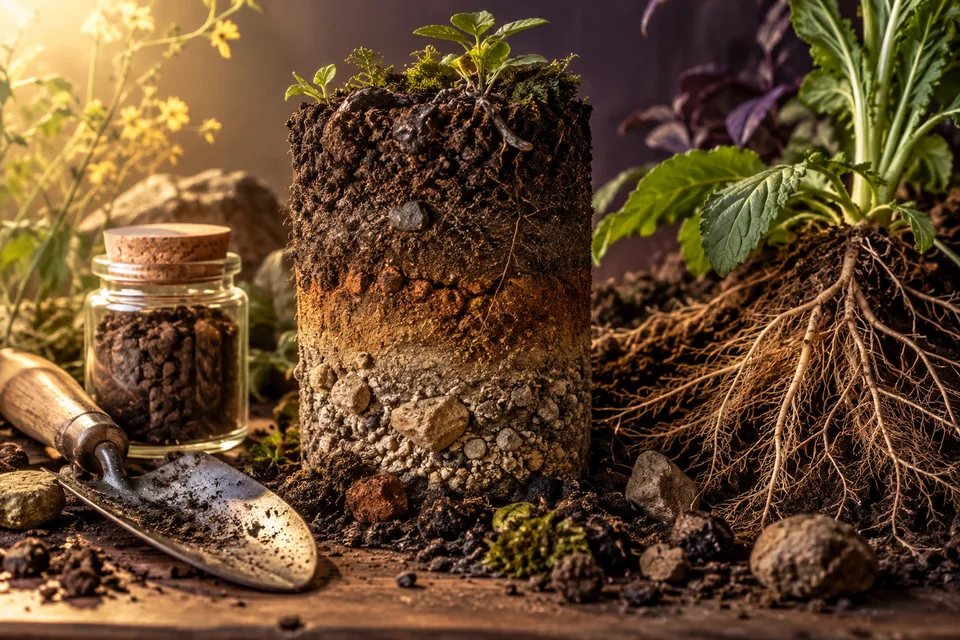
9 min readA soil test becomes useful when it answers a management question. Carbon, compaction and biological activity tell different stories, and a single score can conceal the disagreement that a farmer most needs to understand.
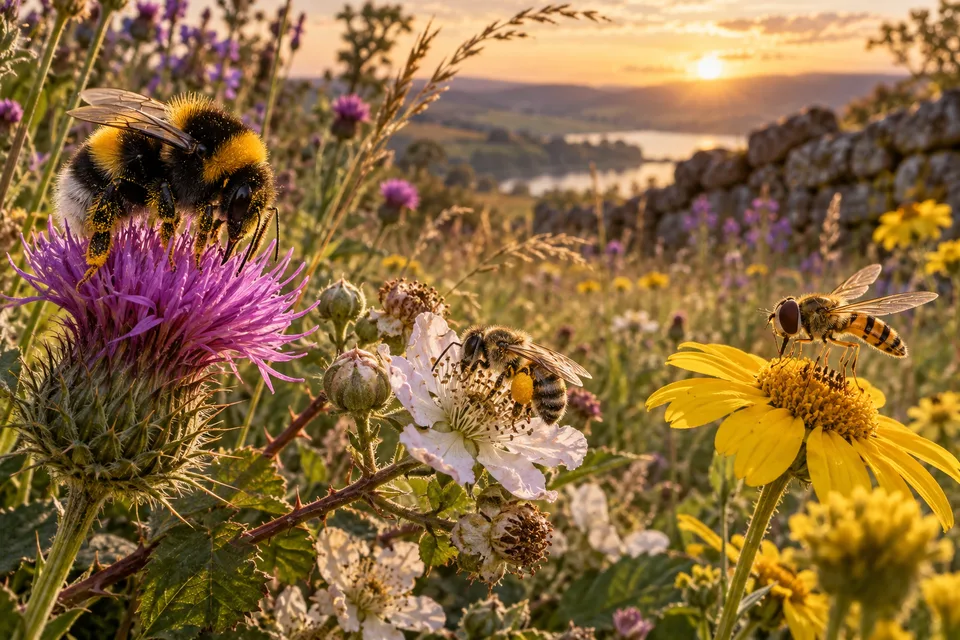
9 min readHoneybees are important agricultural partners. They are one part of a much wider network of insects, plants and habitats—a network whose value cannot be read from the number of hives beside a field.
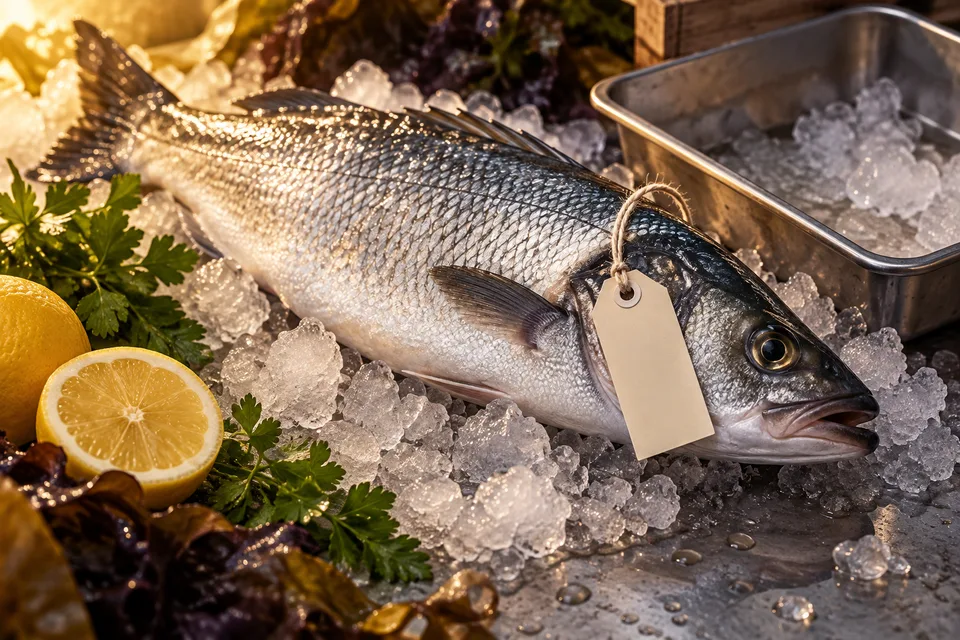
9 min readThe code on a packet is the end of a record-keeping job. A credible seafood history has to survive the moments when catches are combined, fish are processed and businesses exchange information.
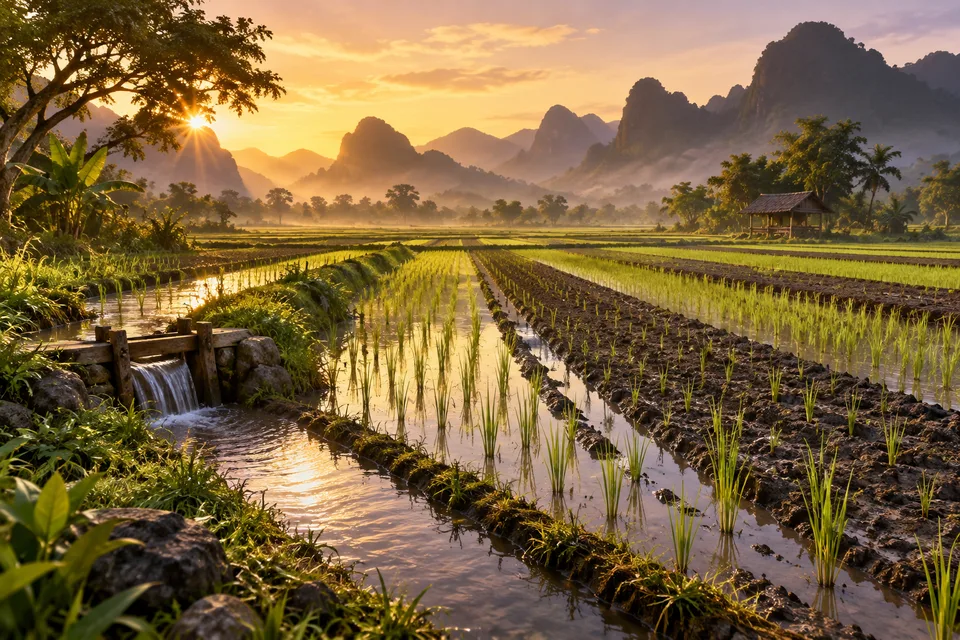
9 min readChanging the water regime can reduce rice-field methane, but a farmer needs more than an emissions target. The practical bargain includes a reliable return of water, protection of the crop and a fair share of the benefit.
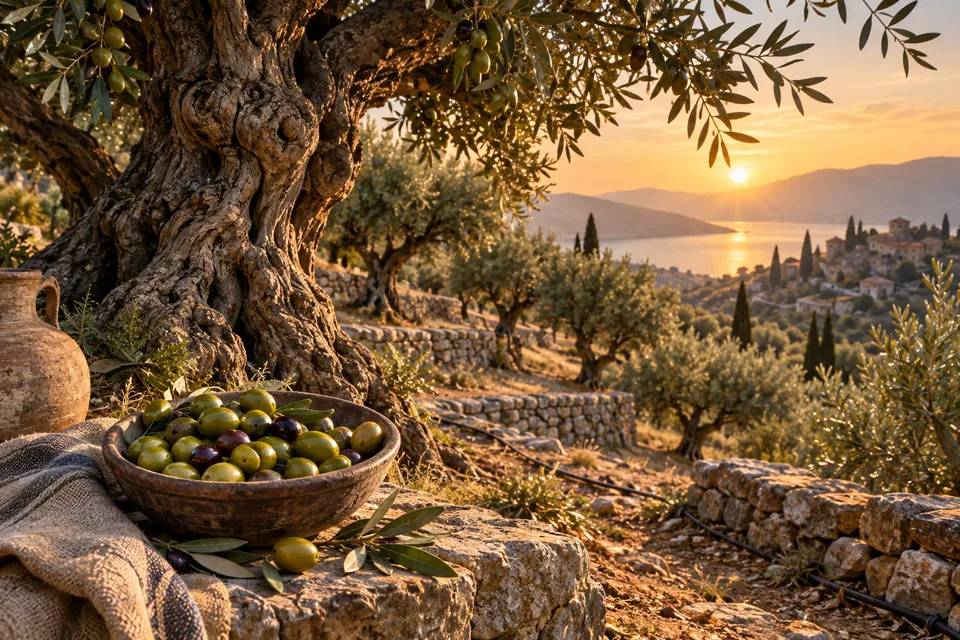
9 min readAn olive tree's ability to survive a dry landscape is different from an orchard's ability to provide a dependable income. The changing climate reaches the grove through flowering, water, investment and the people who keep it productive.
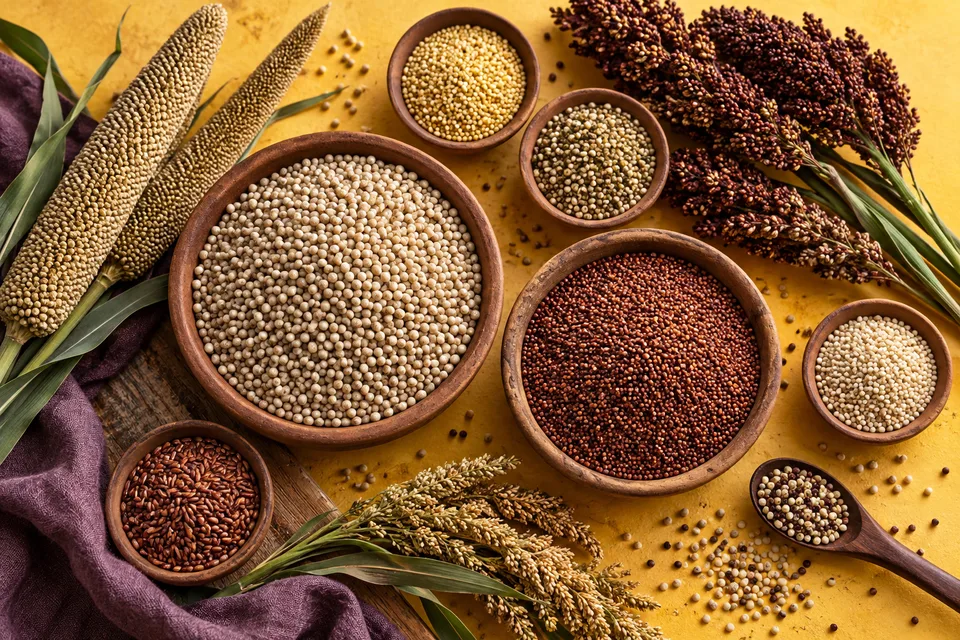
9 min readMillets are a family of crops and a collection of living cuisines. Their wider future depends on valuing the people who already grow, process and cook them—not announcing their discovery.
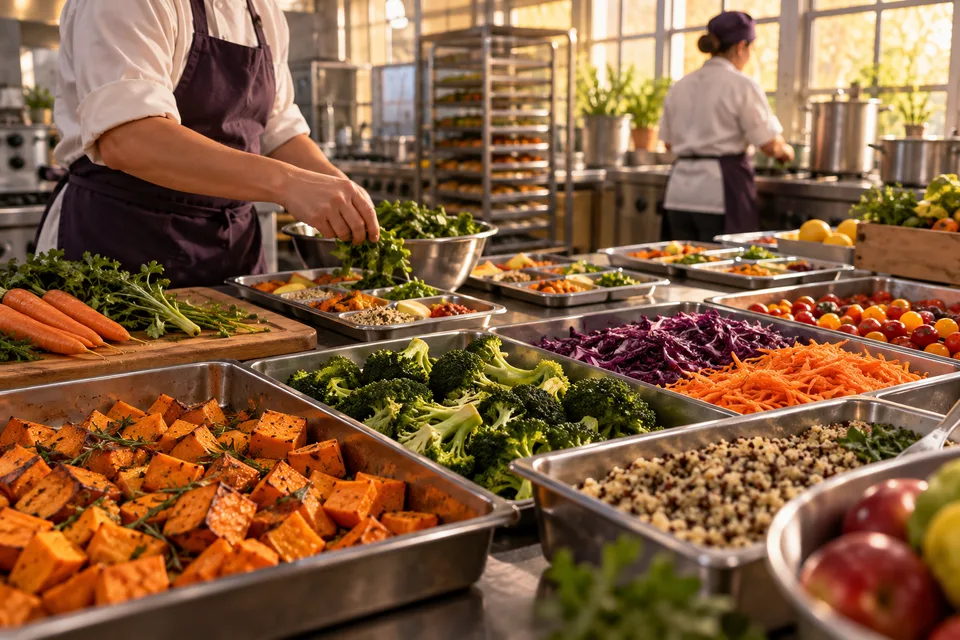
9 min readA school lunch can create a dependable market long before it is eaten. Whether that market serves children and smaller producers depends on the specification, the kitchen, the delivery and the payment—not just a pledge to buy local.
9 min readA durable box offers an opportunity to avoid new packaging. The benefit is earned through completed trips: collection, washing, inspection and another meal. The useful number is how often that whole loop actually works.
9 min read